
The mechanical seal is the core shaft-sealing component of rotating equipment, directly affecting leak control and continuous operation of pumps. Proper selection, standardized installation and regular maintenance are the keys to longer seal life and fewer unplanned shutdowns.
1. How a Mechanical Seal Works
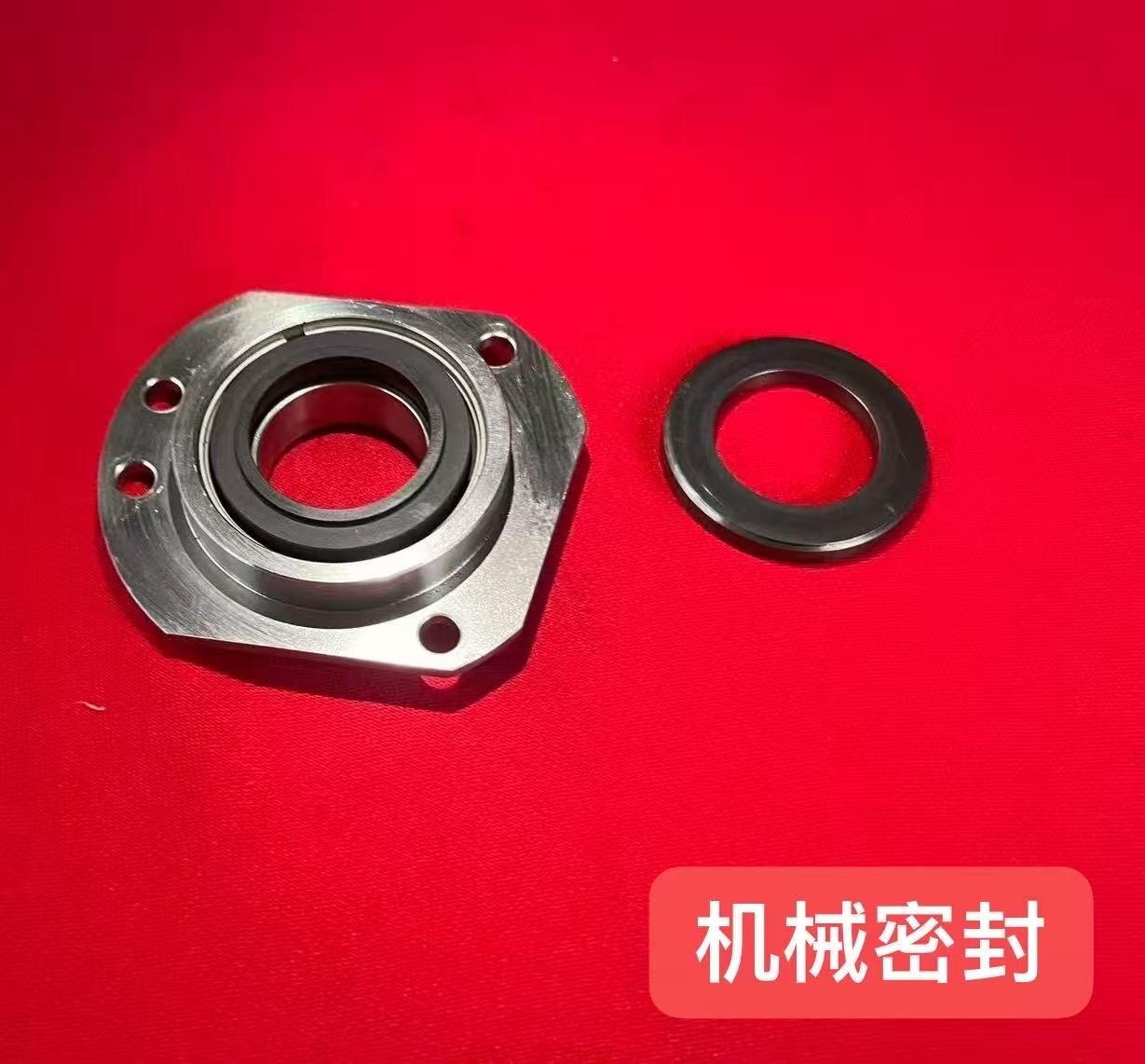
A mechanical seal uses two precisely lapped faces (rotating and stationary) pressed together by spring force and process pressure to form a face seal, with secondary O-rings sealing the radial gaps. Compared with packing, it offers far lower leakage, longer life and less energy loss.
2. Key Selection Parameters
Selection must consider fluid properties (corrosiveness, solids content, temperature), working pressure and temperature, shaft speed and diameter, and available installation space. For flammable, toxic or valuable fluids, double or tandem seals with reliable flush and barrier-fluid systems are strongly recommended.
3. Installation Essentials
Clean the shaft and seal chamber thoroughly before assembly; verify shaft runout and face condition; control the compression to drawings (neither too tight nor too loose); ensure coaxiality of chamber and shaft; tighten fasteners evenly to avoid face misalignment and uneven wear.
4. Common Failures & Maintenance
Typical failures show as face leakage, spring failure, O-ring aging and abnormal wear. Monitor leakage and temperature, replace wear parts on schedule, and avoid dry running and cavitation. For critical machines, keep a seal log and maintain by running hours rather than a fixed calendar.
GiantRoc supplies mechanical seals and spare parts matched to your pump type, with custom manufacturing available on request.