
Chemical plants contain a class of difficult fluids: concentrated acids and caustics, abrasive slurries, high-viscosity resins, volatile solvents, and additives that must be dosed to a precise recipe. A diaphragm pump separates the fluid completely from the drive mechanism with a flexible membrane, combining corrosion resistance, leak-free operation, dry-running tolerance, self-priming and metering capability — which is why it is widely used for dosing, feed and waste transfer.
1. Two main designs
Hydraulic / mechanically actuated metering pumps: a motor drives a plunger through a crank or eccentric mechanism; the plunger moves hydraulic oil, which flexes the diaphragm, while inlet and outlet check valves control flow. Capacity is adjusted by stroke length or variable frequency, with metering accuracy typically within ±1% for continuous dosing (see API 675).
Air-operated double diaphragm (AODD) pumps: compressed air alternately drives two diaphragms. No electricity, capable of running dry and self-priming, and gentle on shear-sensitive fluids — ideal for intermittent transfer, drum emptying, solids-bearing slurries and hazardous areas.
2. Typical services
Precision dosing: corrosion inhibitors, antiscalants, flocculants, pH control agents and catalysts at low flow rates.
Aggressive chemicals: sulphuric and hydrochloric acid, sodium hypochlorite, HF; wetted parts in PVDF, PTFE, fluoropolymer-lined metal or nickel alloys, with the diaphragm selected for chemical compatibility.
Solids and high viscosity: sludge, slurry, resin and latex; ball-type check valves and enlarged flow passages are preferred.
Hazardous areas: no dynamic seal, and pneumatic drives produce no electrical sparks.
Mobile and temporary duties: tanker unloading, drum transfer and emergency pump-out.
3. Choosing the diaphragm and wetted materials
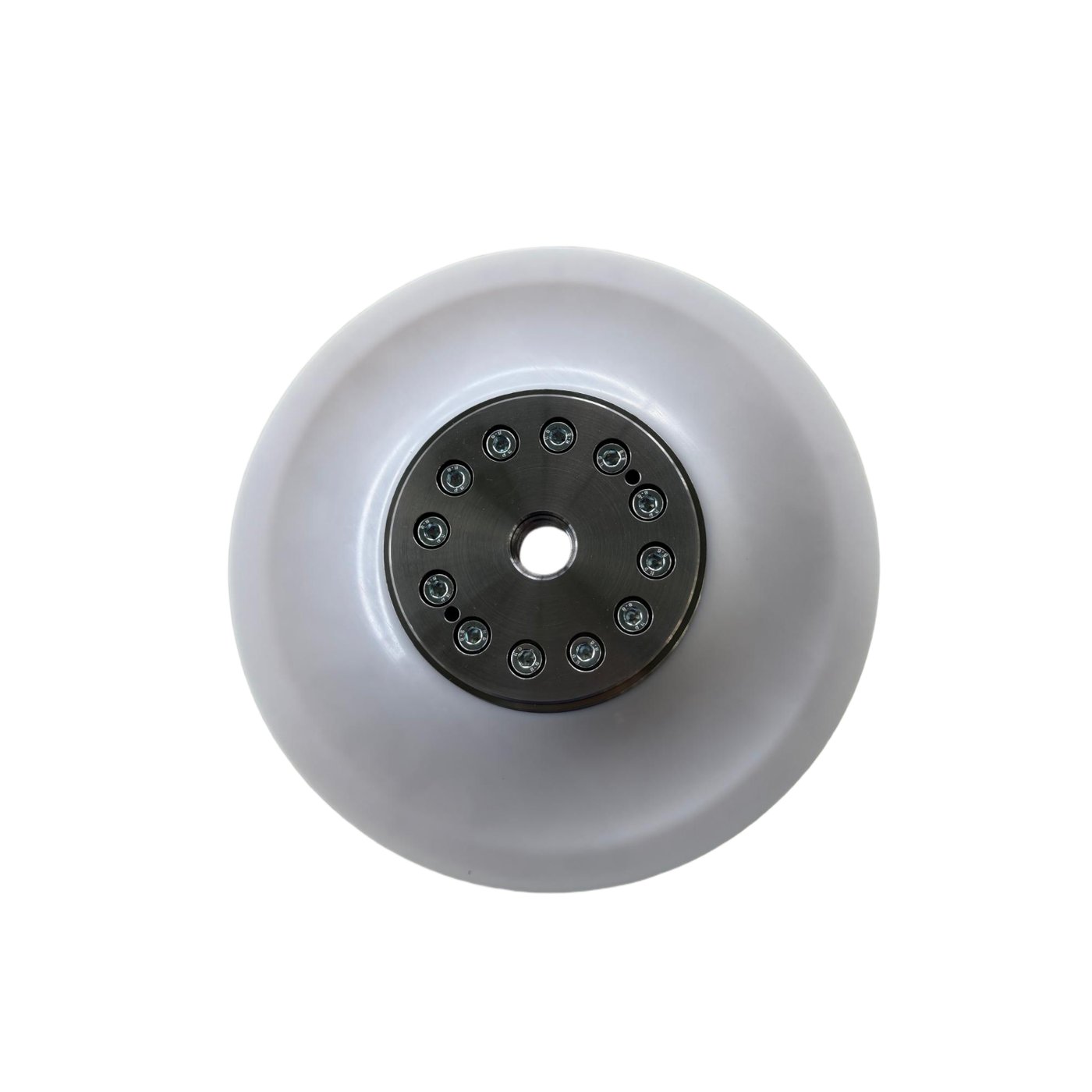
The diaphragm is the most critical wear part. PTFE offers the broadest chemical resistance but limited elasticity and fatigue life, so composite constructions (PTFE facing with an EPDM or rubber backing) are common. EPDM suits caustics, alcohols, ketones and aqueous media; FKM handles oils and many solvents; NBR is used for oil-based fluids. Always check concentration, temperature, abrasive content and pressure pulsation together, and verify that the metal core disc is fully encapsulated from the fluid.
4. Piping and troubleshooting
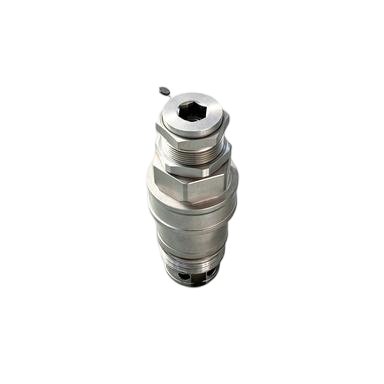
Diaphragm pumps produce inherent pulsation, so fit a pulsation dampener, a back-pressure valve and a pressure relief valve. Add suction-side filtration and keep the suction line short. With metering pumps, prevent siphoning and maintain discharge back-pressure above suction pressure so the check valves seat correctly. Common faults include diaphragm fatigue rupture, sticking or worn check valves, flow decay from insufficient air supply, cavitation or suction air leaks, and crystallisation blockage. Keep a replacement schedule for diaphragms and valve assemblies, and consider rupture detection or double diaphragms with an intermediate monitor.
5. Components and support from GiantRoc
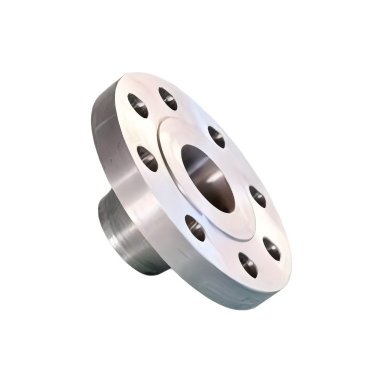
GiantRoc machines diaphragm pump components including diaphragm plates, valve assemblies, casings, flanges and check-valve parts on 5-axis machining centres, CNC vertical lathes and wire EDM, with CMM and spectrometer inspection and ERP/PLM-managed traceability. We support custom machining, reverse engineering and small-batch production. Contact us with your fluid data and drawings for diaphragm compatibility, valve materials or casing machining.
General engineering guidance; confirm chemical compatibility and metering accuracy by testing and the manufacturer’s documentation.