
The same pump can last ten times longer in cooling water than in a hot chloride solution. More often than not, the difference comes down to two decisions: what the wetted parts are made of, and how the shaft is sealed. This article addresses both.
1. Identify the corrosion mechanism first
“Acid resistant” is not a material specification. Common failure modes include general corrosion (where a corrosion allowance can be added), pitting and crevice corrosion (316L can suffer in chlorides; higher-molybdenum duplex or nickel alloys may be needed), stress corrosion cracking (tensile stress plus a specific environment plus temperature), intergranular attack (welding and heat treatment), and erosion-corrosion in solids-laden, high-velocity zones. Where solids are present, hardness, toughness and wear resistance also matter.
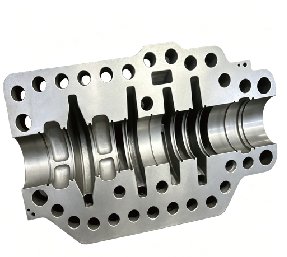
2. Common wetted materials
| Material | Suitable service | Caution |
|---|---|---|
| Cast iron / ductile iron | Water, mildly alkaline clean fluids, utilities | Not for strong acids or chlorides |
| 304 / 316L stainless | Neutral and oxidising media, general chemical fluids | Pitting risk in hot chlorides |
| Duplex 2205 / 2507 | Chlorides, seawater, sour produced water | Welding procedure and phase balance must be controlled |
| Hastelloy C276 / titanium | Strong reducing acids, mixed acids, wet chlorine | High cost; verify concentration and temperature precisely |
| Fluoropolymer lining / PP, PVDF | Strong acids and caustics, high-purity or metal-ion-sensitive fluids | Temperature limits, vacuum and thermal expansion |
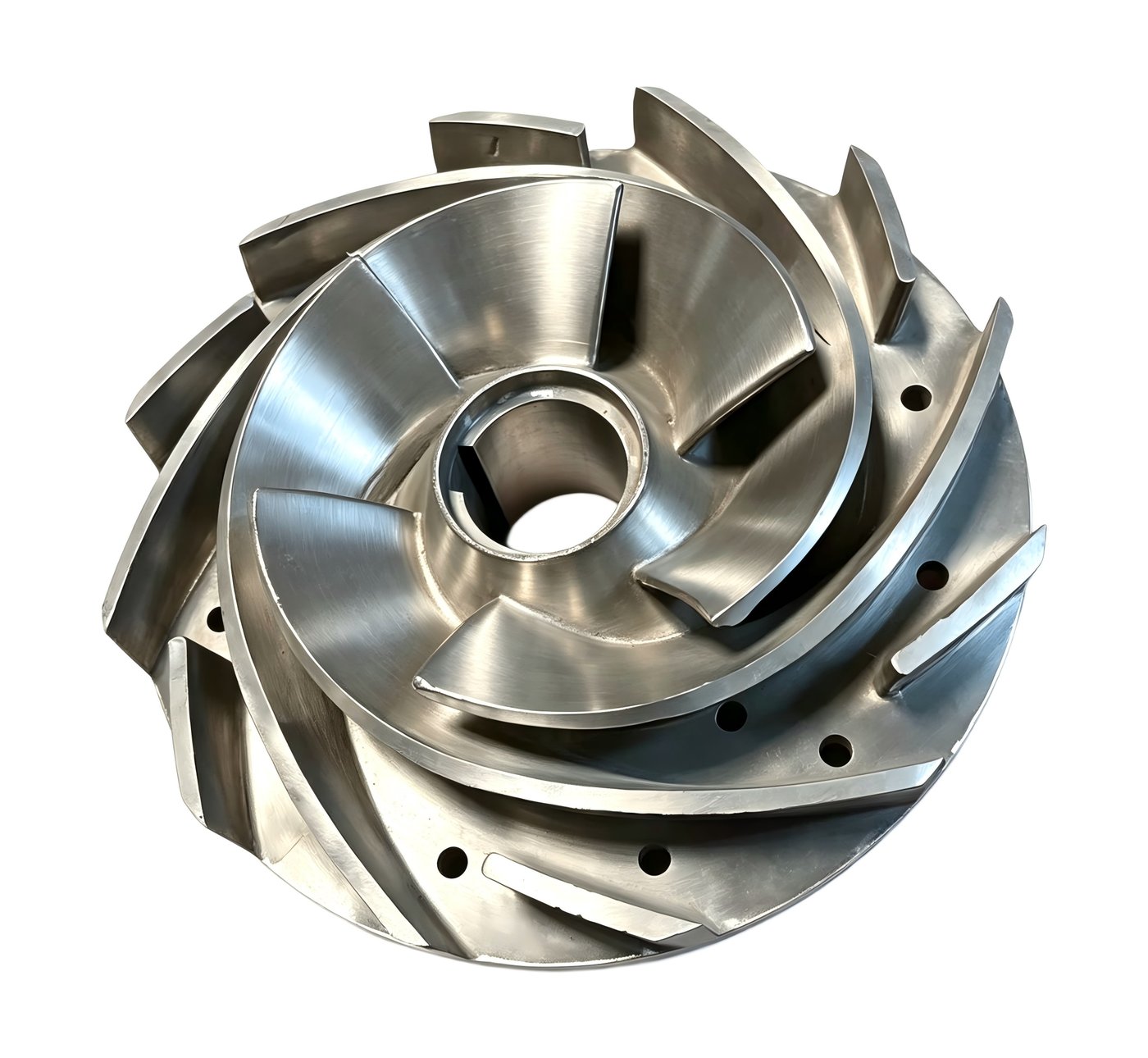
Moving parts such as impellers, wear rings and shaft sleeves additionally require a suitable hardness pairing and protection against galvanic corrosion — otherwise a corrosion-resistant casing can still be defeated by failing internals.
3. Shaft sealing: single, dual or sealless
Single mechanical seals are simple and economical for benign fluids where minimal leakage is acceptable, with a flush plan per API 682 (for example Plan 11 self-flush or Plan 32 external flush).
Dual or tandem seals introduce a barrier or buffer fluid system (Plans 52, 53A/B, 54) so that even an inboard failure does not release the process fluid — preferred for toxic, flammable, vaporising, crystallising or valuable media.
Sealless options (canned motor, magnetic drive) serve zero-emission requirements.
Face pairs are commonly silicon carbide against silicon carbide or tungsten carbide; secondary seals are selected from FKM, FFKM, EPDM or PTFE-encapsulated elastomers according to fluid and temperature. For solids-bearing services, prevent grit accumulation in the seal chamber with increased flush flow or a cyclone separator.
4. Manufacturing quality determines service life
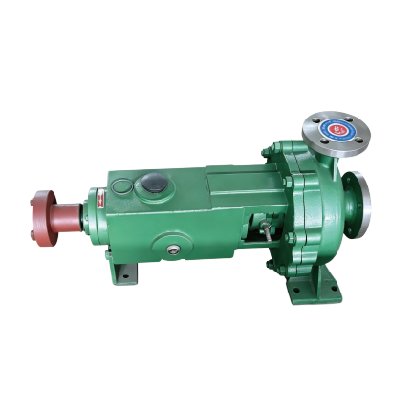
Correct material alone is not enough. Casting porosity and inclusions, rough flow passages, out-of-tolerance seal faces and poor dynamic balancing all become initiation sites for corrosion, hydraulic loss and vibration. GiantRoc operates 5-axis machining centres, CNC vertical lathes, floor-type boring and milling machines and wire EDM, supported by an optical spectrometer for incoming material verification, a Hexagon CMM, a Schenck balancing machine and a closed-loop pump test bench. Instrument-based inspection replaces subjective judgement across incoming, in-process and final stages.
Contact us for material confirmation and precision machining of casings, impellers, wear rings and shaft sleeves.
General engineering guidance; final material and sealing choices require corrosion testing, process data and applicable standards.